
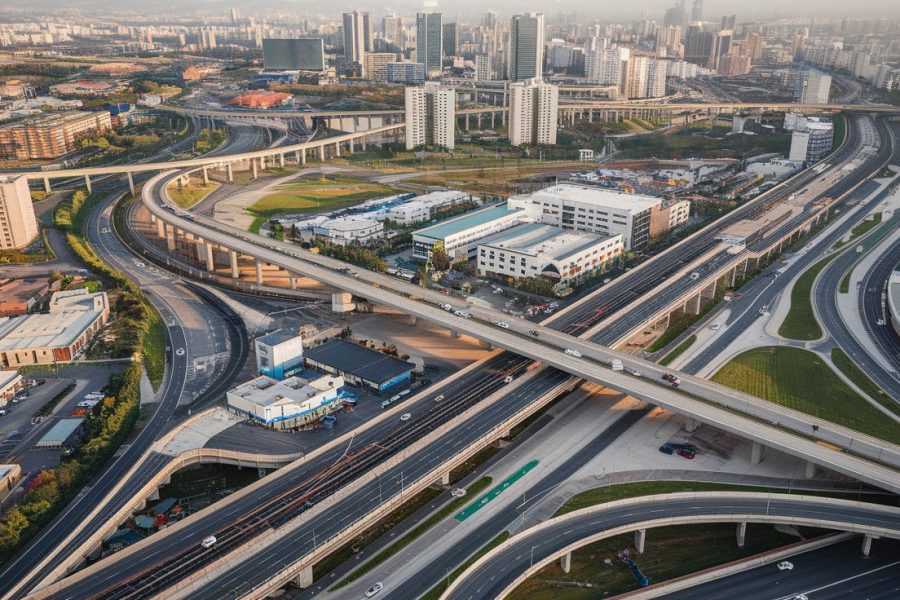
Infrastructure planning for highways and urban development is a critical process that shapes the way cities and regions grow. With rapid urbanization, there is an increasing need to develop efficient, sustainable, and safe infrastructure. Proper planning not only ensures smoother transportation but also supports economic growth, reduces environmental impact, and enhances the quality of life for residents.
In this guide, we will explore the essential components of infrastructure planning for highways and urban development, best practices, and how expert services like those offered by IDDC India can help achieve successful project outcomes.
Understanding Infrastructure Planning
Infrastructure planning involves the systematic process of designing, analyzing, and implementing projects to support essential public services. For highways and urban development, this means creating safe, accessible, and sustainable transportation systems while accommodating future growth.
Key objectives of infrastructure planning include:
- Enhancing connectivity and reducing traffic congestion
- Ensuring environmental sustainability
- Supporting economic development
- Providing long-term structural integrity and safety
- Incorporating advanced technologies for better asset management
Key Components of Highway & Urban Development Planning
- Feasibility Study & Site Analysis
- Evaluating the geographical and environmental aspects
- Conducting a thorough topography survey and soil investigation
- Identifying potential challenges and solutions
- Design & Structural Planning
- Developing detailed architectural and structural designs
- Preparing Bill of Quantities (BOQs) for accurate cost estimation
- Ensuring designs comply with local regulations and international standards
- Asset Management System
- Implementing Structure Asset Management & Maintenance Systems (SAMS)
- Monitoring the lifecycle of infrastructure for effective maintenance
- Utilizing Urban Bridge Management Systems (UBMS) for regular inspections
- Sustainability & Environmental Considerations
- Minimizing ecological disruption through sustainable designs
- Incorporating green infrastructure for better environmental outcomes
- Implementing efficient drainage and waste management systems
- Quality Control & Project Management
- Ensuring structural stability through rigorous testing and certifications
- Utilizing advanced pile testing methods (Integrity, Dynamic, Static)
- Following a comprehensive Project Management System (PMS) for timely delivery
- Community & Stakeholder Engagement
- Engaging with local communities for input and feedback
- Collaborating with government bodies and private entities
- Ensuring transparent communication throughout the project lifecycle
Challenges in Infrastructure Planning
- Regulatory Compliance Navigating complex legal frameworks and ensuring projects meet local, state, and national guidelines.
- Budget Management Balancing quality with cost-efficiency and securing adequate funding for large-scale infrastructure projects.
- Environmental Impact Mitigating the effects of urban development on ecosystems and ensuring sustainable practices.
- Technological Integration Incorporating cutting-edge technology for real-time monitoring and maintenance while ensuring cybersecurity.
Best Practices for Effective Infrastructure Planning
- Early-Stage Planning & Feasibility Analysis Conducting a detailed feasibility study helps identify risks and opportunities before the project begins.
- Advanced Testing & Monitoring Regular inspections using Pile Testing and SAMS ensure ongoing structural integrity and long-term safety.
- Stakeholder Collaboration Engaging all stakeholders from the start promotes transparency and helps address concerns early in the process.
- Adopt Smart Technologies Implementing digital solutions like UBMS enhances infrastructure maintenance and monitoring efficiency.
- Future-Proof Design Designing infrastructure that can adapt to future urban growth and technological advancements ensures long-term success.
How IDDC India Supports Infrastructure Planning
With over 30 years of expertise, IDDC India provides comprehensive infrastructure planning and management solutions. Our specialized services include:
- INSPECTION, TESTING & REPAIR SYSTEMS FOR ALL STRUCTURES
- STRUCTURAL STABILITY CERTIFICATION
- ARCHITECTURAL & STRUCTURAL DESIGNING & BOQs
- TOPO SURVEY & SOIL INVESTIGATION
- PILE TESTING – INTEGRITY / DYNAMIC / STATIC
- Structure Asset Management & Maintenance System (SAMS)
We cater to critical sectors such as Steel, Pharma, Defense, Power, Mining, Ports, and Urban Development, ensuring that infrastructure meets the highest safety and operational standards.
Conclusion
Effective infrastructure planning for highways and urban development requires a multi-faceted approach. By prioritizing advanced design, comprehensive testing, and sustainable practices, projects can achieve both current and future success.
Partnering with industry experts like IDDC India ensures that your infrastructure projects are executed with precision, sustainability, and innovation.
Contact us today to learn more about how we can support your infrastructure planning needs across Andhra Pradesh, Telangana, and Odisha.
